Writing
Links to some selected journalism
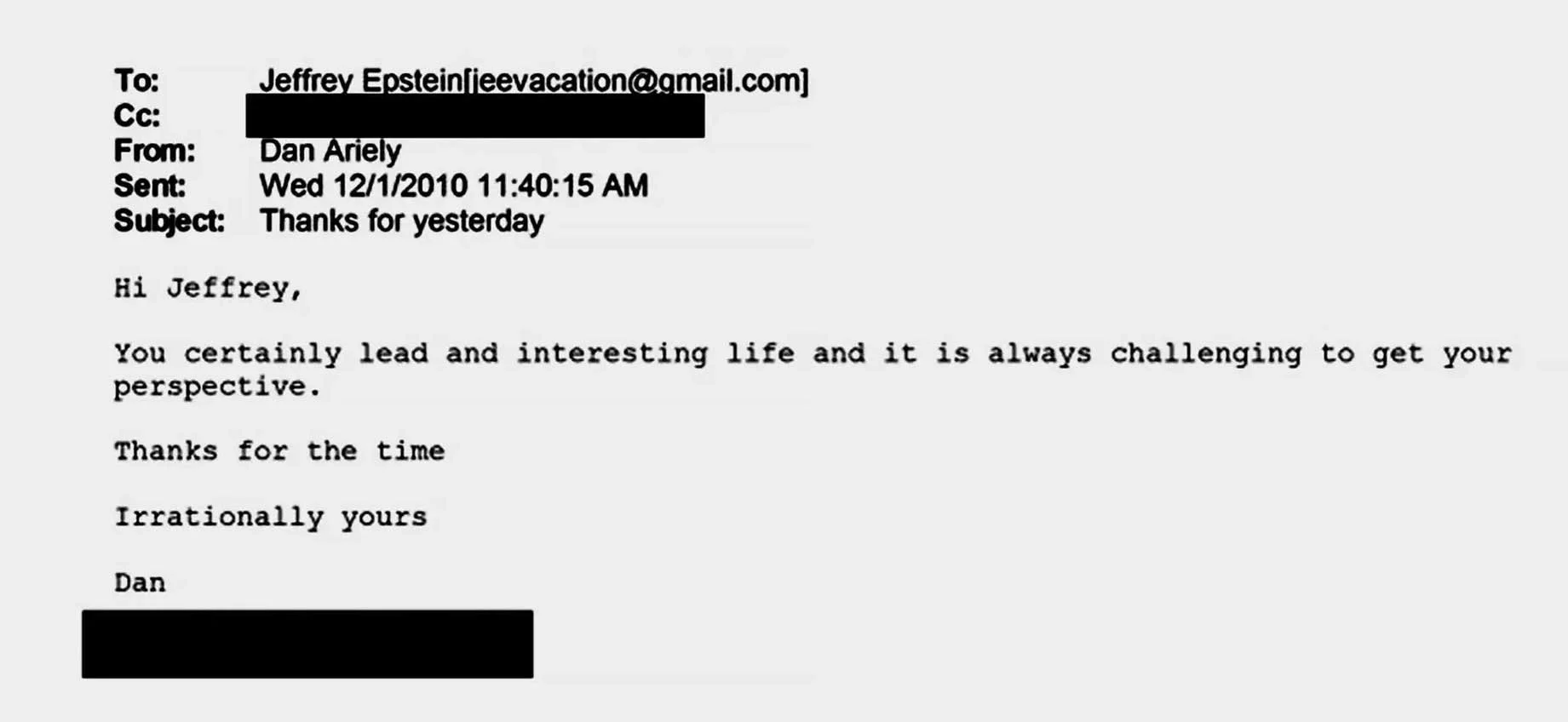
He Researched Dishonesty. He Got Friendly With Jeffrey Epstein.
Dan Ariely, a behavioral scientist at Duke, sought out the convicted sex offender for his research. Their yearslong correspondence suggests it wasn’t all business.
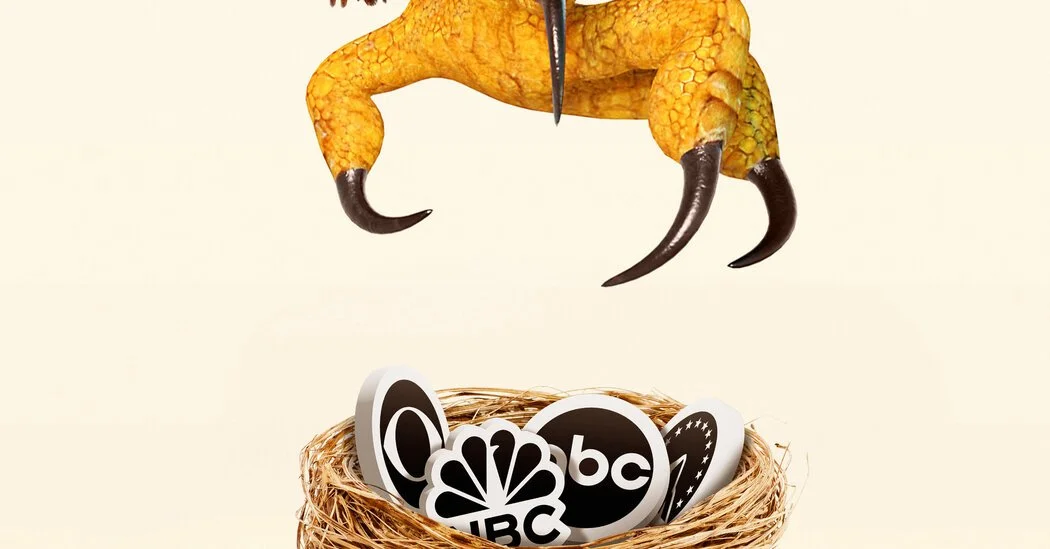
Why Corporate America Is Caving to Trump
When broadcasters like CBS and ABC surrendered to the president, it looked as if they lacked backbone. The explanation runs much deeper.
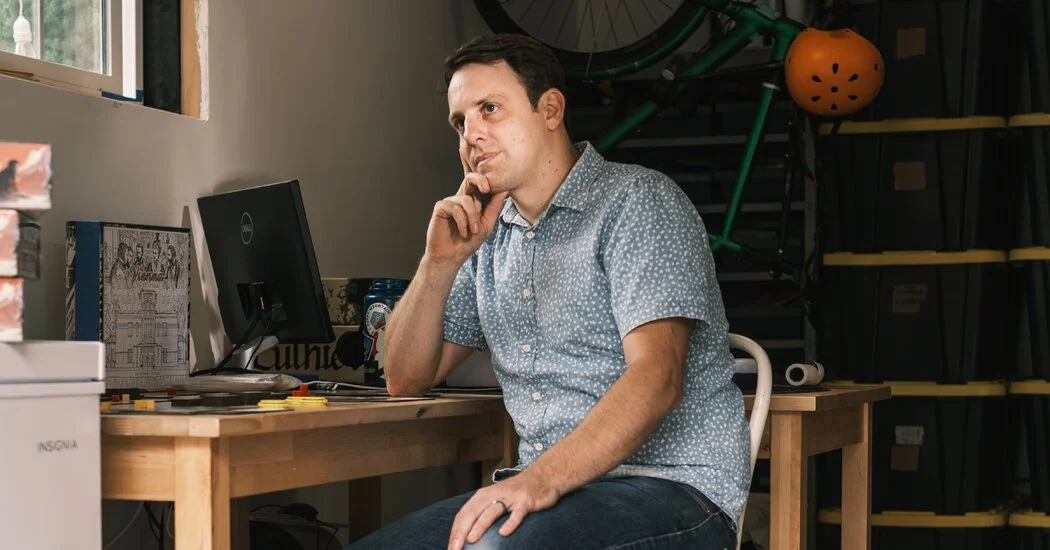
The Newest Face of Long-Term Unemployment? The College Educated.
For years, only a small portion of the people experiencing long spells of joblessness were college graduates. That’s starting to change.

Why Big Law Firms Aren’t Standing Together Against Trump’s Assault
The arms race for talent seems to have made collective action, within and between firms, nearly impossible.
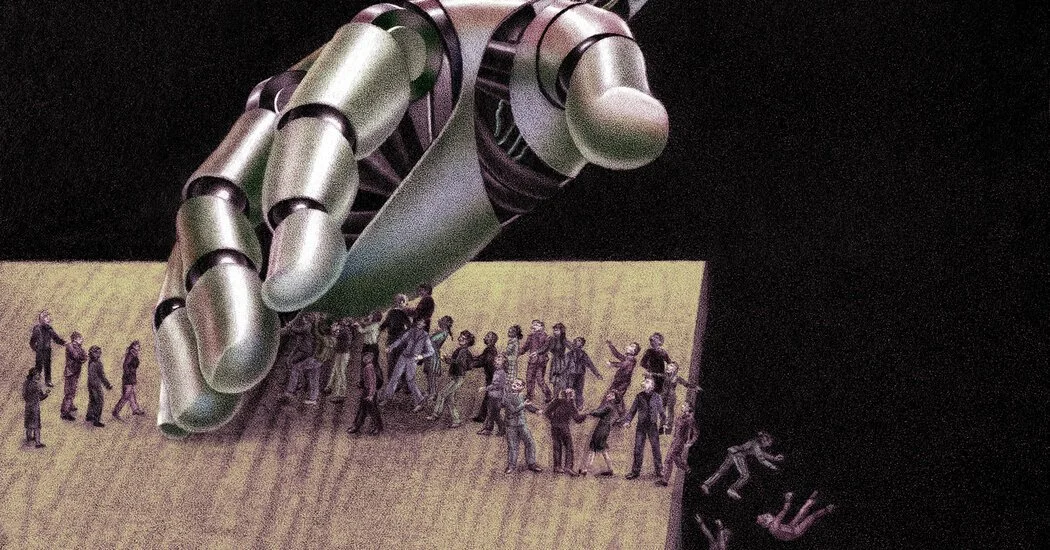
Why Is This C.E.O. Bragging About Replacing Humans With A.I.?
Most large employers play down the likelihood that bots will take our jobs. Then there’s Klarna, a darling of tech investors.
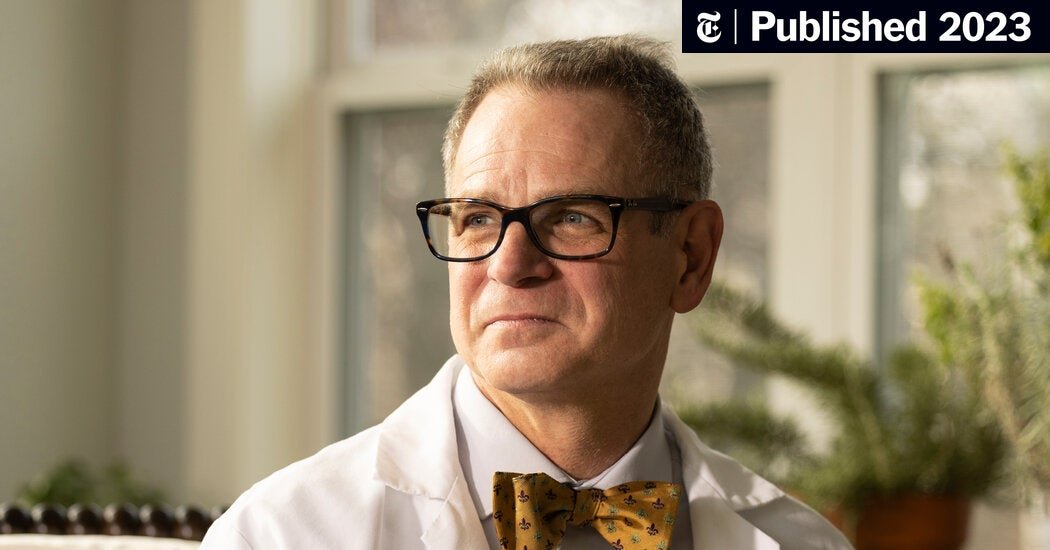
Why Doctors and Pharmacists Are in Revolt
Once accustomed to a status outside the usual management-labor hierarchy, many health professionals now feel as put upon as any clock-punching worker.

The Harvard Professor and the Bloggers
When Francesca Gino, a rising academic star, was accused of falsifying data — about how to stop dishonesty — it didn’t just torch her career. It inflamed a crisis in behavioral science.

How TV Writing Became a Dead-End Job
The writers say Hollywood studios are increasingly limiting their roles in television productions, highlighting a trend for white-collar workers.
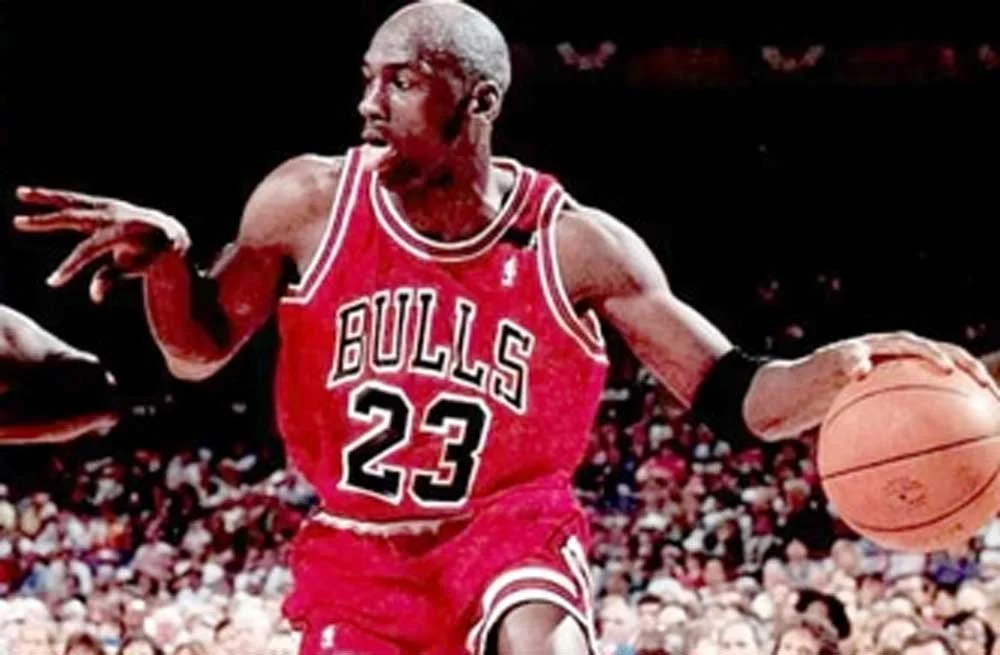
Michael Jordan: N.B.A. Champ, Marketing Legend and … Toxic Worker?
Experts say a difficult superstar is rarely worth the cost to workplace morale. Does the Bulls icon prove them wrong?

The Great Google Revolt
Some of its employees tried to stop their company from doing work they saw as unethical. It blew up in their faces.
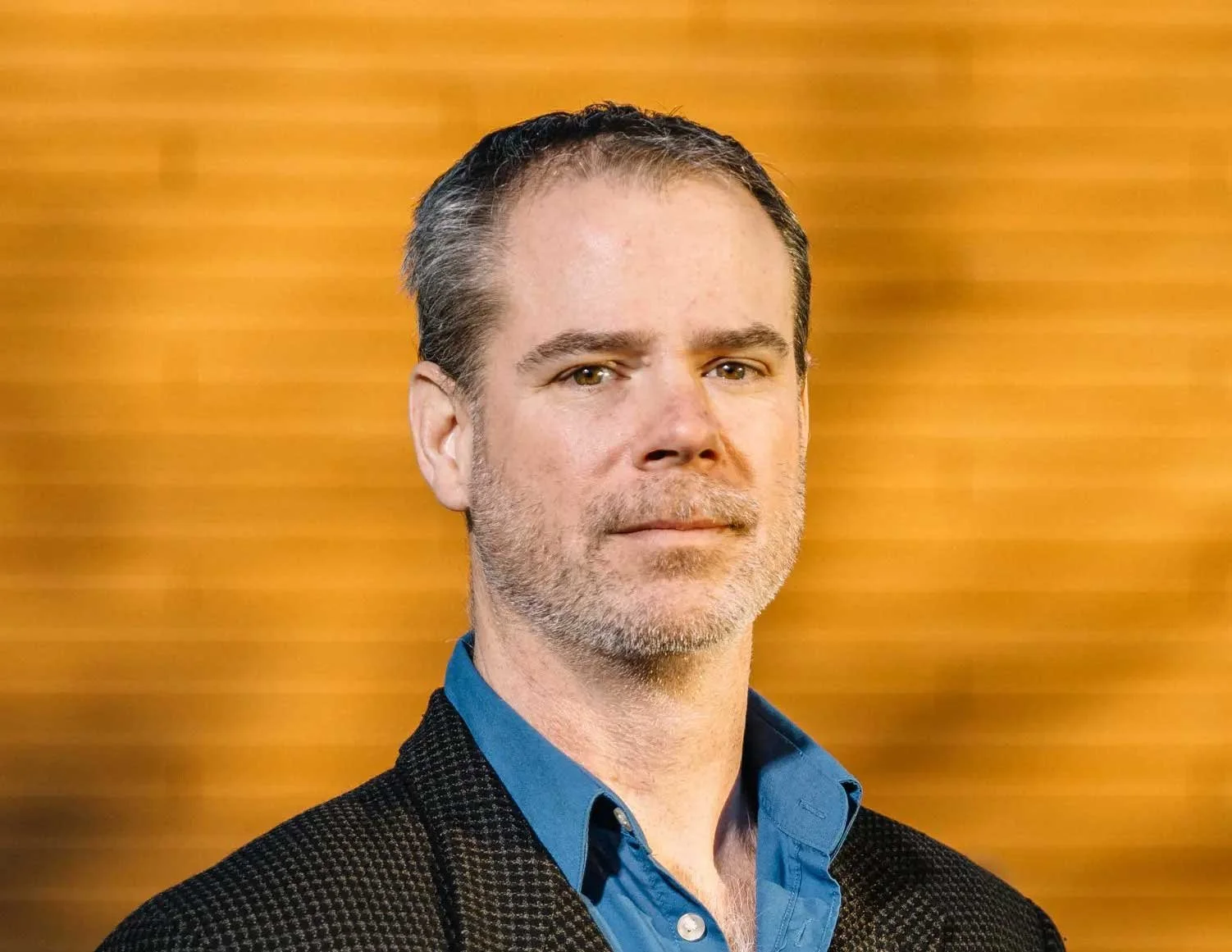
He Committed Murder. Then He Graduated From an Elite Law School. Would You Hire Him as Your Attorney?
A bipartisan consensus has taken hold: After prison, nonviolent offenders should get a second chance at normal lives. But what about someone whose criminal history — and ambitions — are more extreme?

How Uber Uses Psychological Tricks to Push Its Drivers’ Buttons
The start-up has undertaken an extraordinary experiment in behavioral science to subtly entice an independent work force to maximize company revenue.